
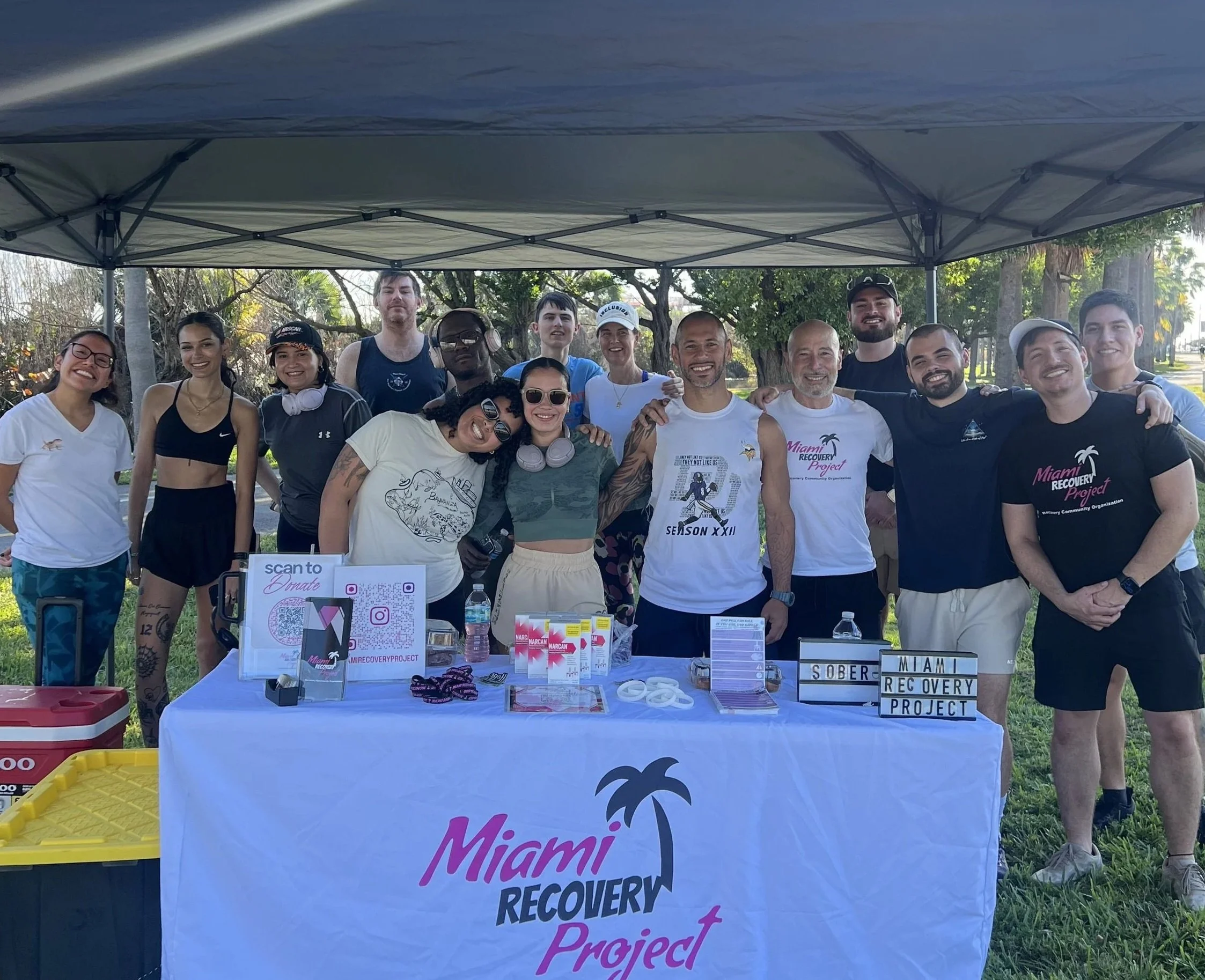
Peer Support Services
What is a Certified Recovery Peer Specialist?
A peer support specialist is a person with lived experience who has been trained to support individuals who struggle with mental health challenges, psychological trauma, or substance use. Their personal experience provides a level of understanding and insight that professional training alone cannot replicate.
Peer support specialists assist individuals in many ways. They help peers articulate their goals for recovery, learn and practice new skills, monitor their progress, and remain engaged in treatment. They also model effective coping techniques and self help strategies based on their own recovery experience, support individuals in advocating for themselves to obtain effective services, and help develop and implement recovery plans.
In 2007, the U.S. Department of Health and Human Services, through the Centers for Medicare and Medicaid Services, recognized peer support services as an evidence based practice. CMS informed all 50 state Medicaid directors that Medicaid could reimburse peer support services, provided that peer support specialists, like other healthcare providers, were governed by statewide training and credentialing programs. By 2016, 42 U.S. states, the District of Columbia, and the Veterans Health Administration had adopted programs to train and certify individuals to work as peer support specialists.
We Support All Pathways of Recovery
Research shows that people recover in many different ways. A leading study found that just over half of individuals in recovery utilize mutual aid programs, followed by treatment services, recovery support services, and medication assisted treatment. Many individuals use more than one type of support during their recovery journey.
According to the Recovery Research Institute, recovery pathways generally fall into three broad categories: clinical pathways, non clinical pathways, and self managed pathways.
Clinical Pathways
Clinical pathways involve professional intervention from healthcare providers, clinicians, or other credentialed professionals. These may include:
Clinical treatment
Medically managed inpatient treatment, residential services, intensive outpatient programs, partial hospitalization programs, and outpatient care.
Medication assisted treatment
Medications such as buprenorphine, methadone, naloxone, acamprosate, and naltrexone may be used to reduce withdrawal symptoms, decrease cravings for alcohol or drugs, and in some cases block the effects of certain substances.
Behavioral therapy
Common approaches include Acceptance and Commitment Therapy, Cognitive Behavioral Therapy, Motivational Interviewing, behavioral couples therapy, and family therapy.
Holistic therapies
Holistic or integrative approaches support overall wellness and may include acupuncture, hypnosis, aromatherapy, yoga, meditation, mindfulness, reflexology, reiki, massage therapy, art therapy, dance therapy, music therapy, and animal assisted therapy.
Non Clinical Pathways of Recovery
Non clinical pathways represent more than half of the recovery approaches people choose. These pathways include peer support services, recovery community centers, education based recovery programs, faith and cultural recovery supports, and recovery housing. Many of these services are offered through Recovery Community Organizations.
Peer Support Groups
Peer support groups provide a space for individuals to share experiences and support one another in recovery. These groups often include mutual aid meetings, peer recovery coaching, and wellness based activities. Organizations vary in philosophy and approach. Some are spiritual, some religious, some secular and evidence based, and others focus on community and wellness.
Examples include:
Refuge Recovery
Recovery Dharma
SMART Recovery
Alcoholics Anonymous
Cocaine Anonymous
Heroin Anonymous
Narcotics Anonymous
LifeRing Secular Recovery
The Phoenix
Moderation Management
Secular Organizations for Sobriety
Women for Sobriety
Faith and Cultural Recovery Support
Faith and culturally based support groups allow individuals to incorporate their beliefs, traditions, and values into their recovery process. Examples include:
Wellbriety Movement
Celebrate Recovery
Millati Islami
Jewish Alcoholics, Chemically Dependent Persons, and Significant Others
Many churches and faith communities also offer recovery support through clergy, mentors, and community programs.
Education Based Recovery Support
Education based recovery programs support students in recovery in both high school and college environments. Organizations such as the Association of Recovery in Higher Education and the Association of Recovery Schools support these programs and help students maintain recovery while continuing their education.
Recovery Housing
Recovery housing, often referred to as sober living homes, provides a safe and supportive environment for individuals transitioning from treatment back into the community. Residents live in a structured peer environment and may follow guidelines such as maintaining sobriety, attending meetings, and participating in regular drug testing. Certified residences can be found through the National Alliance for Recovery Residences.
Recovery Community Centers
Recovery Community Organizations serve as hubs within the recovery community. These centers provide access to services such as peer meetings, mentorship programs, referrals to support services, and recovery focused social events.
Employment Based Recovery Support
Some organizations offer employee assistance programs that provide counseling, treatment referrals, and recovery resources for employees struggling with substance use. Other programs help individuals in recovery obtain employment, especially those facing barriers such as limited education or prior justice involvement. One example is Recovery Through Entrepreneurship.
Self Managed Pathways
Self managed recovery refers to individuals creating their own path to recovery without formal treatment or structured programs. People may rely on personal strategies, supportive relationships, lifestyle changes, and personal motivation to maintain recovery.